

Genoa and Portofino; jewels of the Italian Riviera
Wouldn’t it be nice if, after all the Corona chaos — fear, lockdowns, isolation — travel were officially prescribed as therapy? After five months within four walls, a trip to Genoa and Portofino felt like a cure for the soul. La vita è bella, in all its glory.
Driving from Rijeka to Genoa takes about seven hours — unless, of course, you’re traveling with two dogs. The highway toll from Monfalcone to Genoa costs €38. A smarter option is the train from Trieste, with one change in Venice, costing around €102. You really don’t need a car in Genoa anyway. Narrow streets, almost impossible parking, and garages charging around €25 per day make driving more pain than pleasure.
As everywhere else, the effects of the pandemic were noticeable. Some restaurants and shops remained closed, and masks were required in all enclosed spaces. Temperatures were checked at restaurant entrances, and masks could only be removed once seated. What surprised me most was how naturally Italians accepted this “new normal,” even wearing masks during walks — apparently easier than constantly taking them on and off.
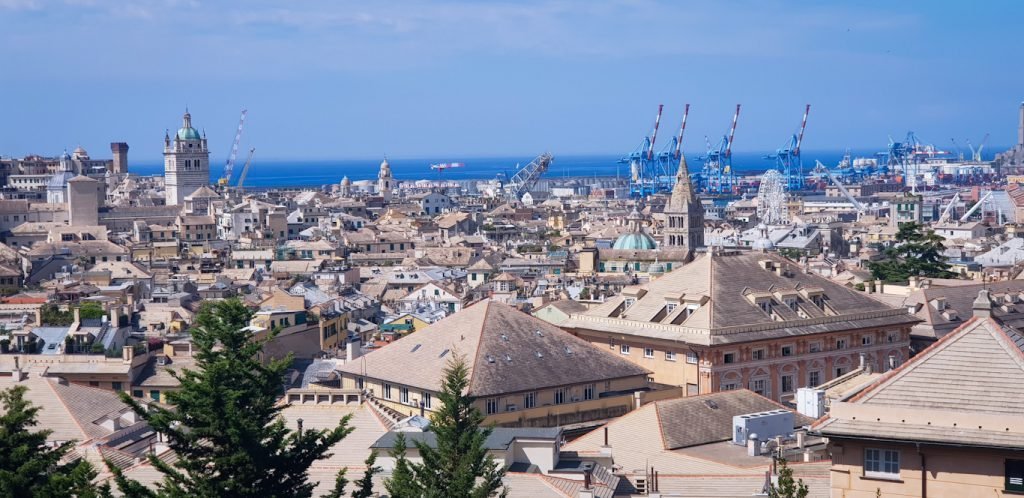
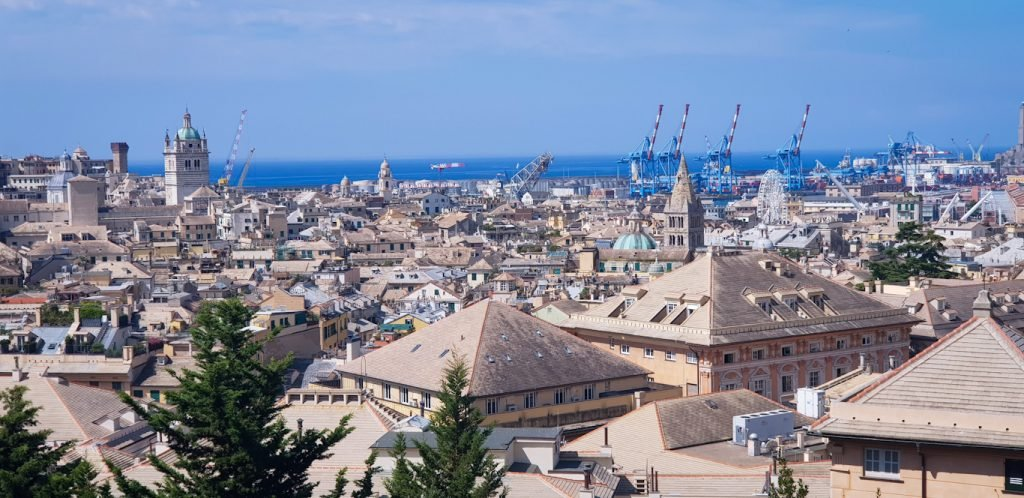
Genoa is seriously underrated. It’s the second-largest port in the Mediterranean, the (unproven) birthplace of Christopher Columbus, a UNESCO World Heritage site, and home to the most extensive preserved medieval city walls in Italy. Add to that incredible food — pesto traditionally served with trenette pasta, fresh seafood, and the smell of focaccia on every corner — and you’ve got a paradise for food lovers.

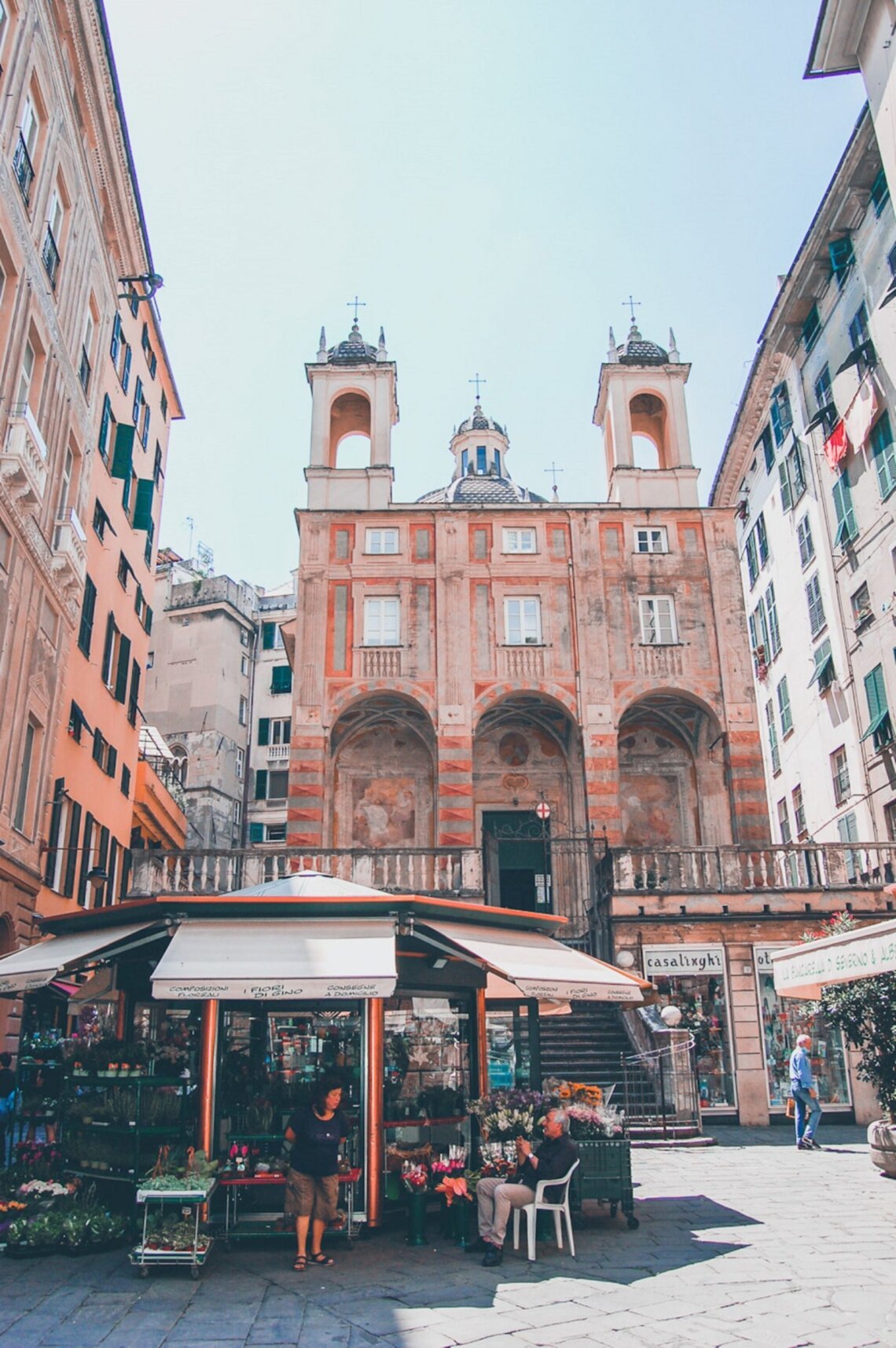
The historic center is vast and easy to get lost in. The narrow streets, known as caruggi, hide real gems: artisan pasta shops, bars that serve snacks with drinks, and unforgettable restaurants. One standout was Trattoria delle Grazie. With just a handful of tables, reservations are essential, but the wait is worth it. Large portions, fair prices, and the owner personally presenting each dish make the experience special.
Genoa is also a cultural melting pot. Within a short walk, you can find Japanese, Chinese, Portuguese, Mexican, Brazilian, German, Colombian, Peruvian, and Polish cuisine.
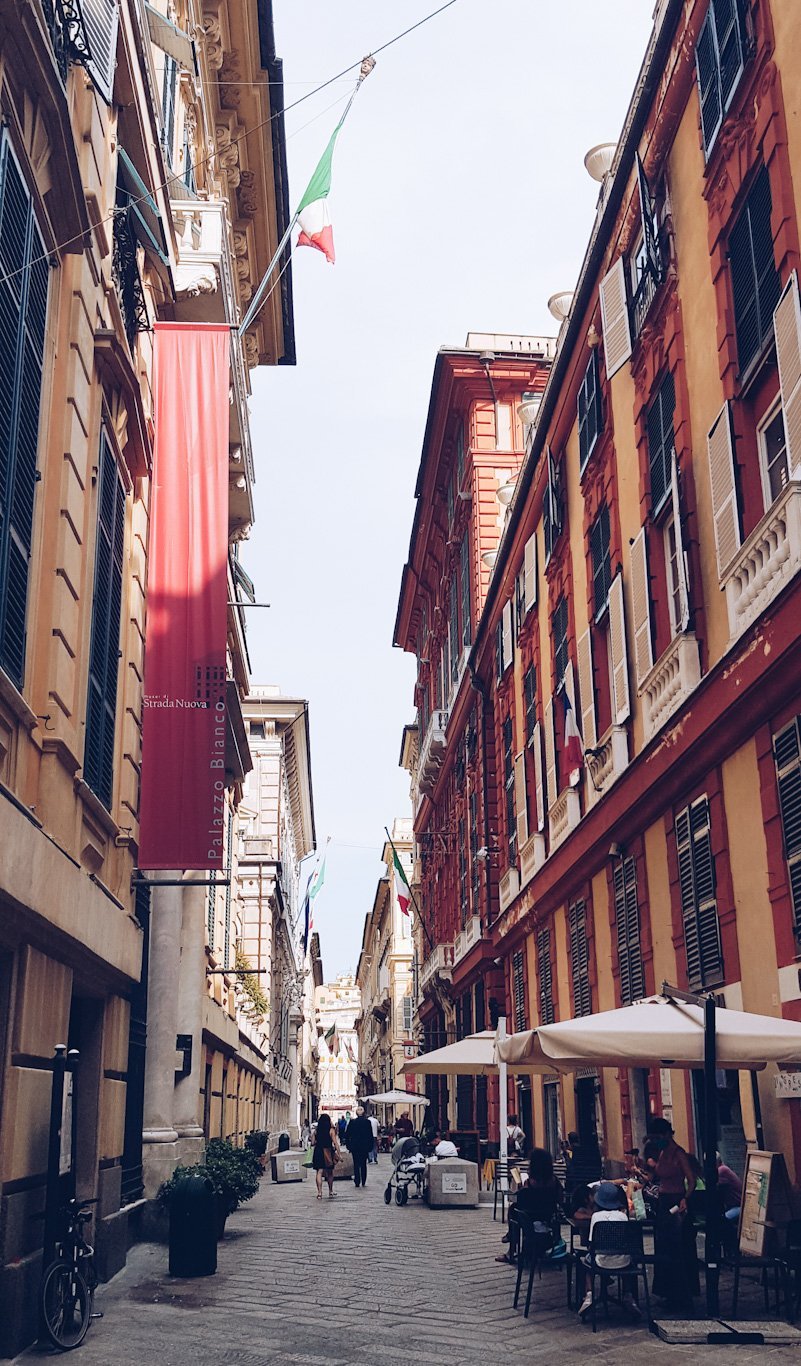
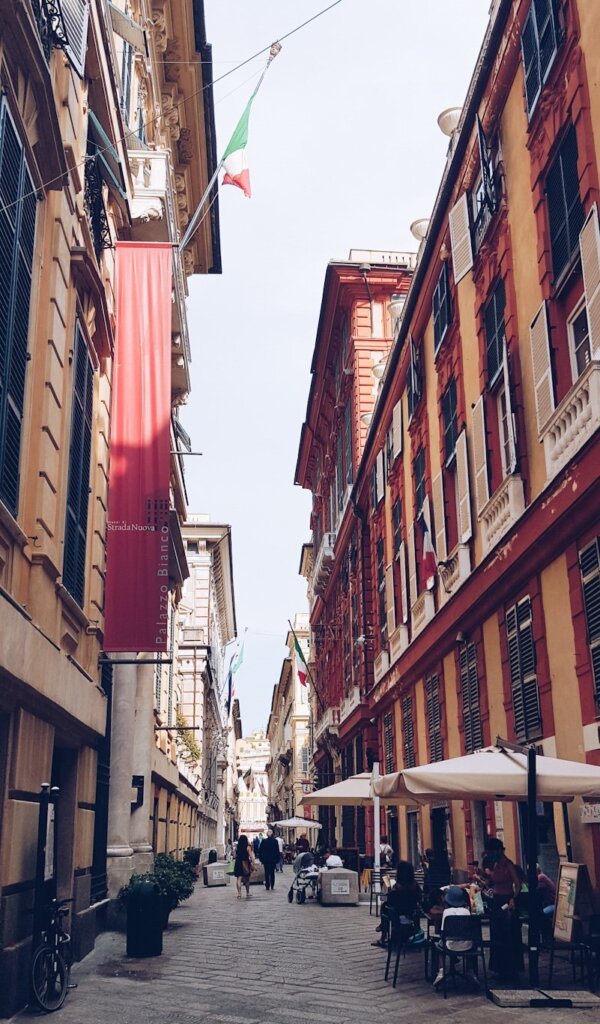
The city’s rich history offers countless sights, most reachable on foot if you’re staying centrally. Via Garibaldi, also known as “Golden Street,” is a photographer’s dream. Renaissance palaces from the 16th century line the street — Palazzo Rosso, Palazzo Bianco, Palazzo Grimaldi — each more impressive than the last.
Porto Antico (the Old Port) has become Genoa’s main social stage. Concerts, bars, restaurants, and shops fill the restored area. Highlights include the glass Biosphere, designed by Renzo Piano, a replica pirate ship, and the aquarium — one of Europe’s largest, with over 600 animal species.

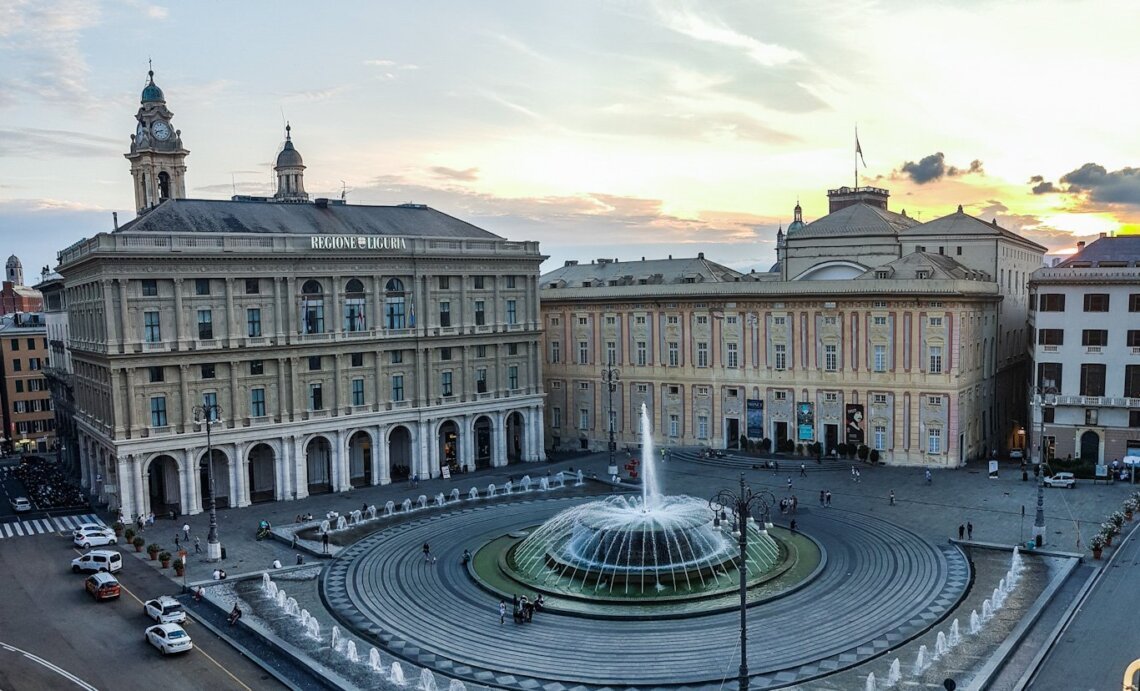
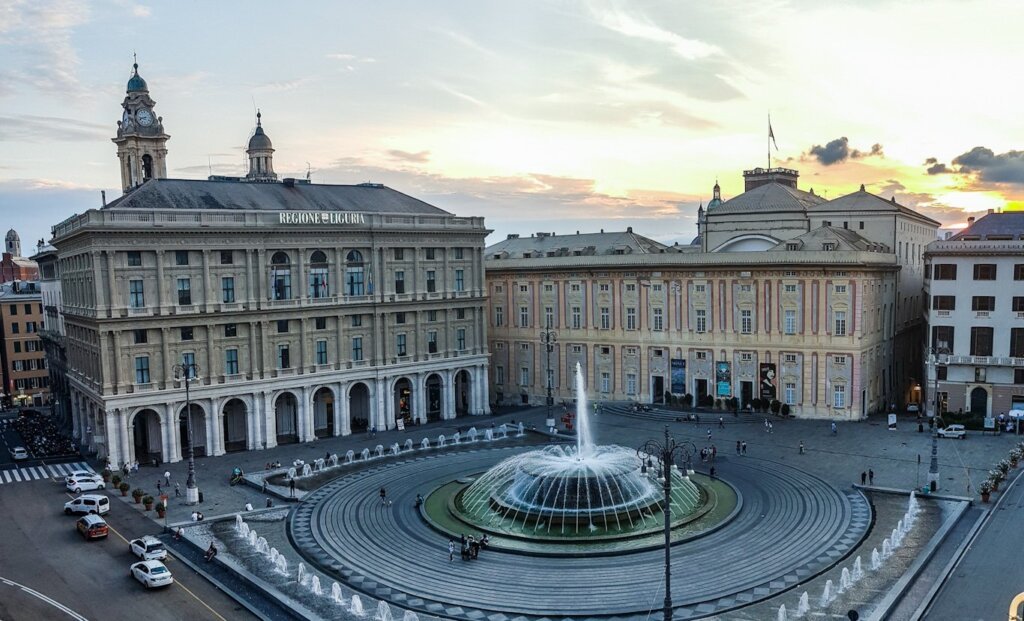
Piazza De Ferrari is the city’s main square and the meeting point between Genoa’s historic heart and its modern financial district.
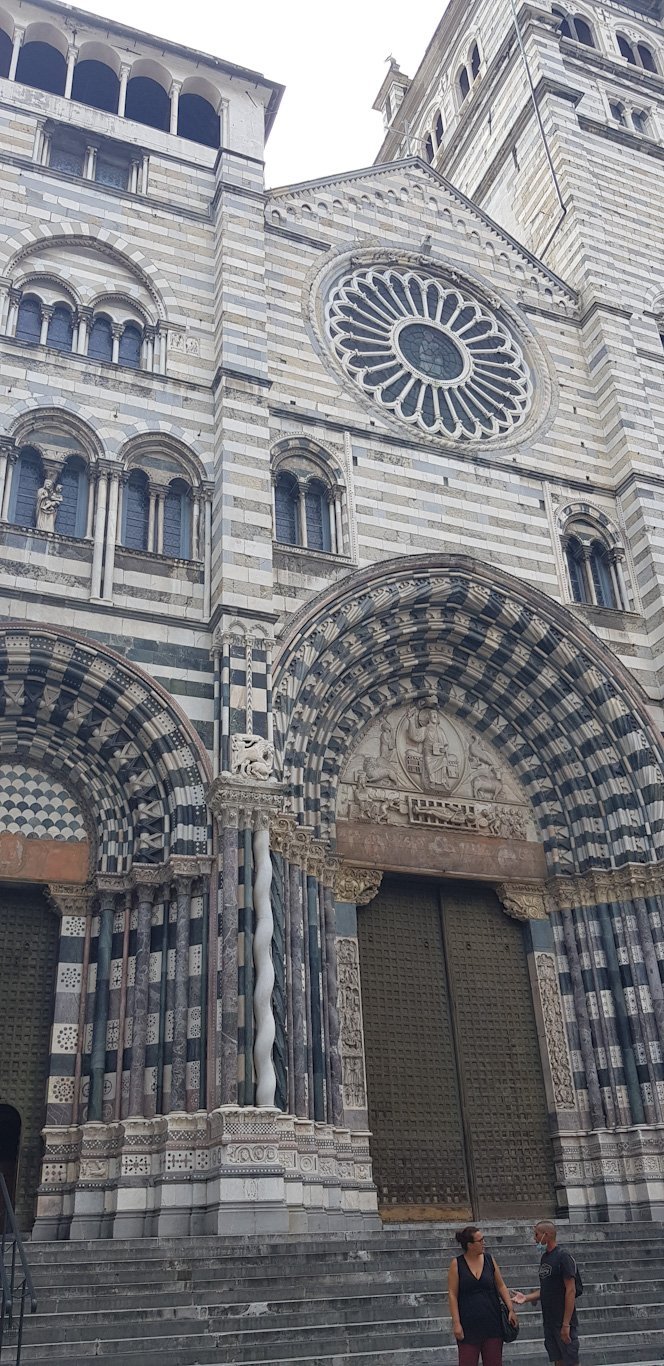
Nearby stands Cattedrale di San Lorenzo, built between the 12th and 14th centuries. Its black-and-white striped façade is typical of Ligurian churches, while inside it houses sacred relics — including the mysterious Sacro Catino, believed by some to be the Holy Grail.

The house of Christopher Columbus sits near the medieval gate Porta Soprana. Easy to miss, modest in size, and surrounded by legend — while his birthplace is unproven, it’s certain he spent part of his youth in Genoa.
For shopping, head to Via XX Settembre, or stroll through Via Roma for more upscale boutiques.
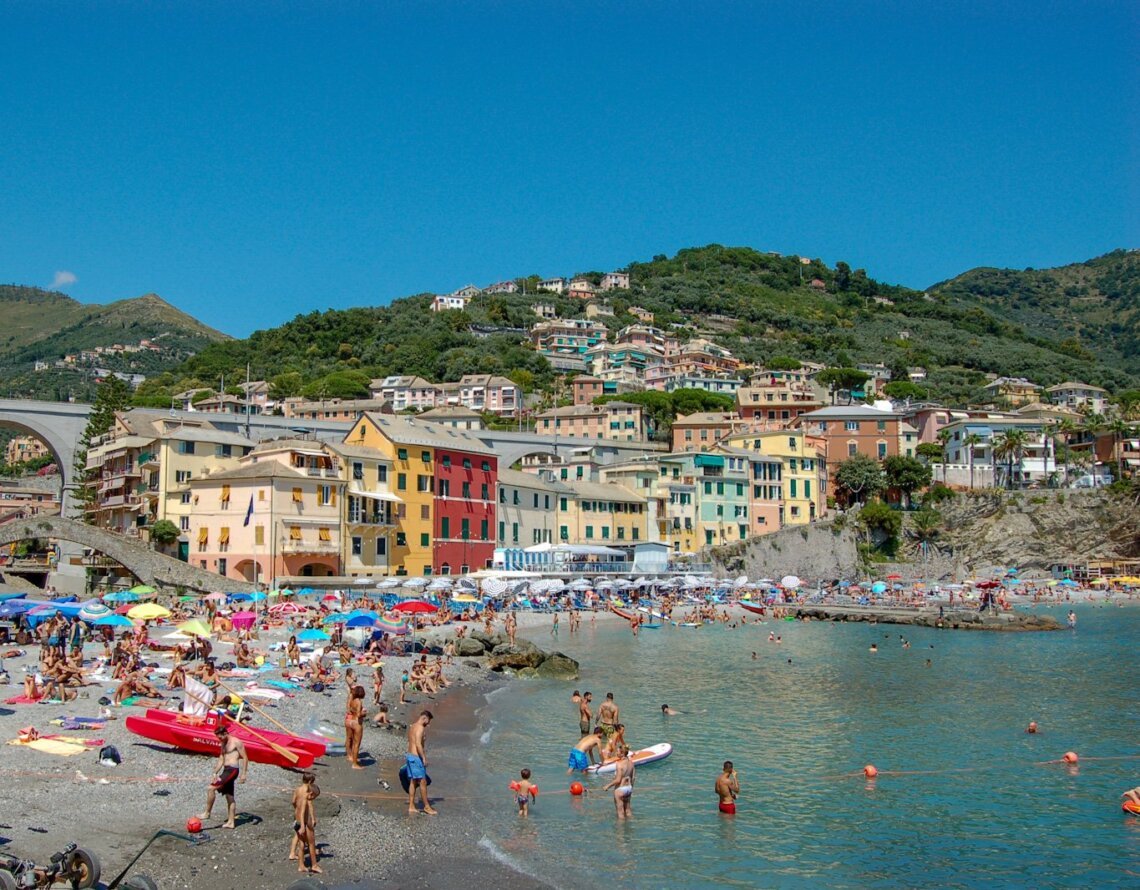
If time allows, head south and visit charming coastal towns such as Bogliasco, Bocadasse, Rapallo, and of course, Portofino.
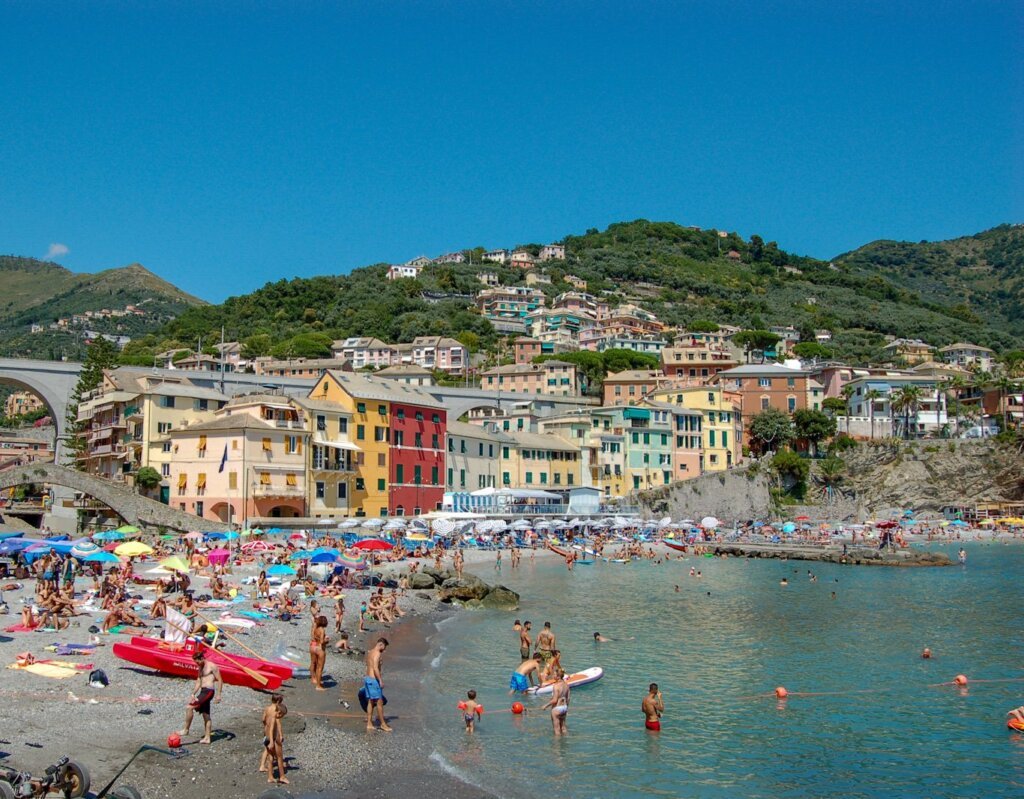
Take the train. Tickets cost around €4, the ride takes about an hour, and the route offers stunning views of the Italian Riviera. Colorful houses, small boats, and cobblestone streets make it impossible not to fall in love.

Portofino may have only 500 residents, but strolling its cobbled streets past luxury yachts and designer boutiques feels like stepping onto a movie set. Parking costs €10 per hour — a quick reminder that glamour comes at a price.
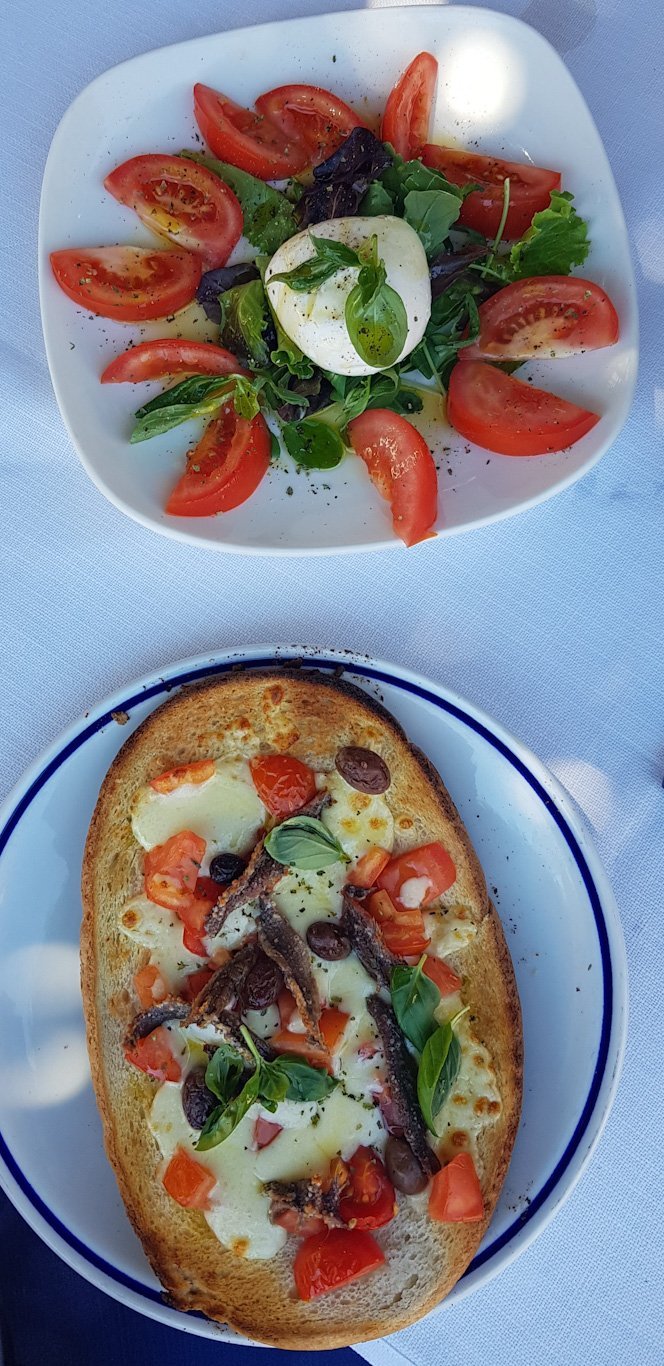
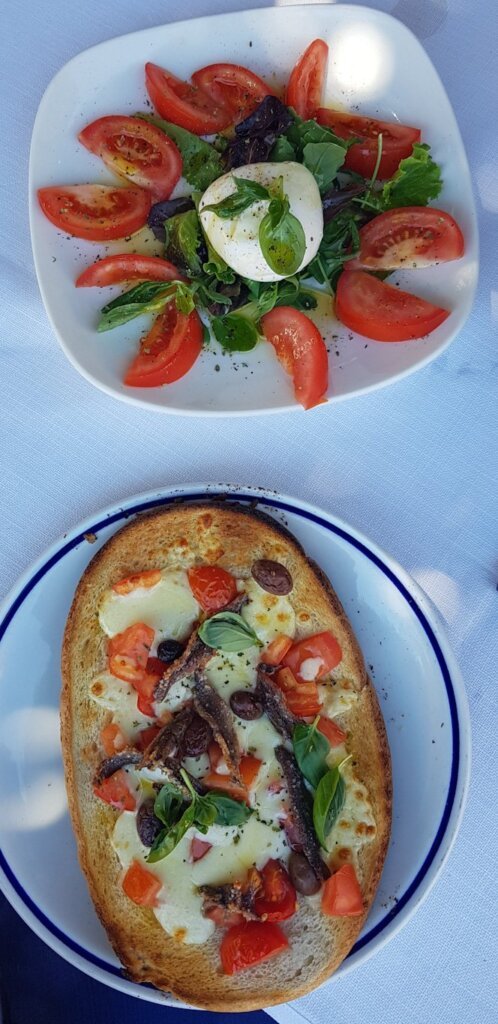
We chose a bar called Sottocoperta overlooking the harbor. Affordable prices, excellent bruschetta with anchovies, and million-euro views. Just a few steps away are restaurants where one dinner could cost your monthly salary.
Don’t miss Castello Brown, originally built by the Romans and now a museum, or the 12th-century Church of San Giorgio with breathtaking harbor views. For the adventurous, hike or take a boat to Abbazia di San Fruttuoso, hidden among pine trees and olive groves, guarded underwater by the famous bronze statue of Christ of the Abyss.
Italy’s dolce vita isn’t just a phrase — it’s a lifestyle. And after a holiday like this, you’re more than ready to face whatever uncertainty comes next.