


All you need to know before visiting Pompeii and Mount Vesuvius
There are so many reasons why you should visit Italy: food, wine, culture, natural beauty, people and my favourite – history. Nothing can beat Italian history. A must-see destination is definitely Pompeii. One of the reasons I love to travel and explore is that feeling of being humbled, amazed and changed forever. Pompeii does exactly that.
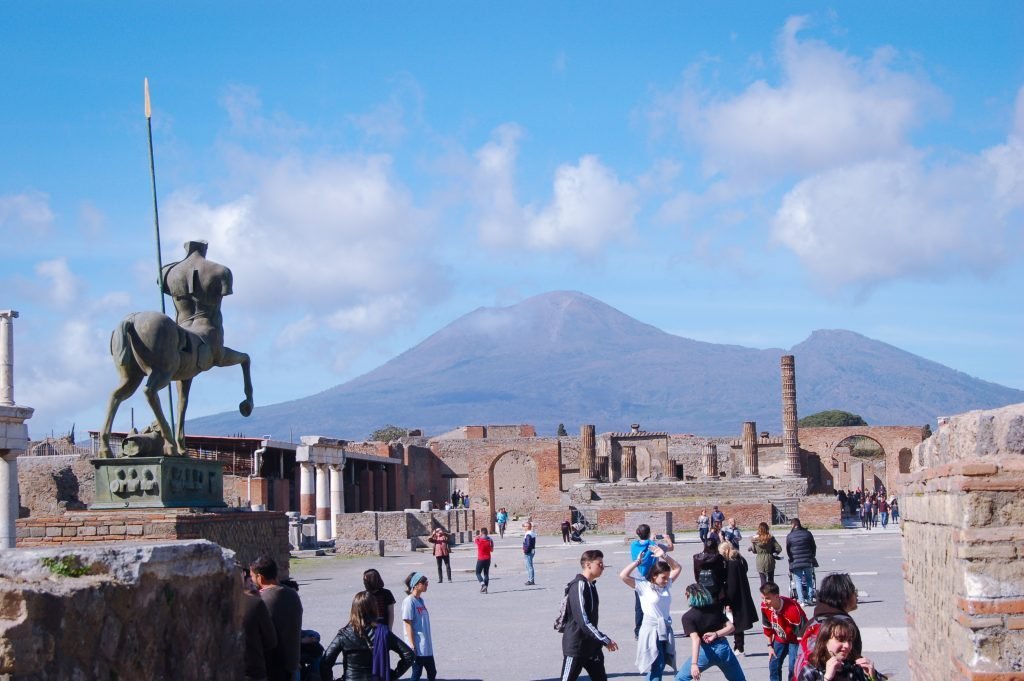
Nature can be savage, and standing on the main square, the Foro, and looking up at Mount Vesuvius, you truly realise its power. Its most famous eruption took place in 79 A.D., when the volcano buried the ancient Roman city of Pompeii under a thick carpet of volcanic ash. In just one afternoon in August, around two thousand people died from heat, collapsing roofs, or suffocation caused by ash and sulfurous gases.
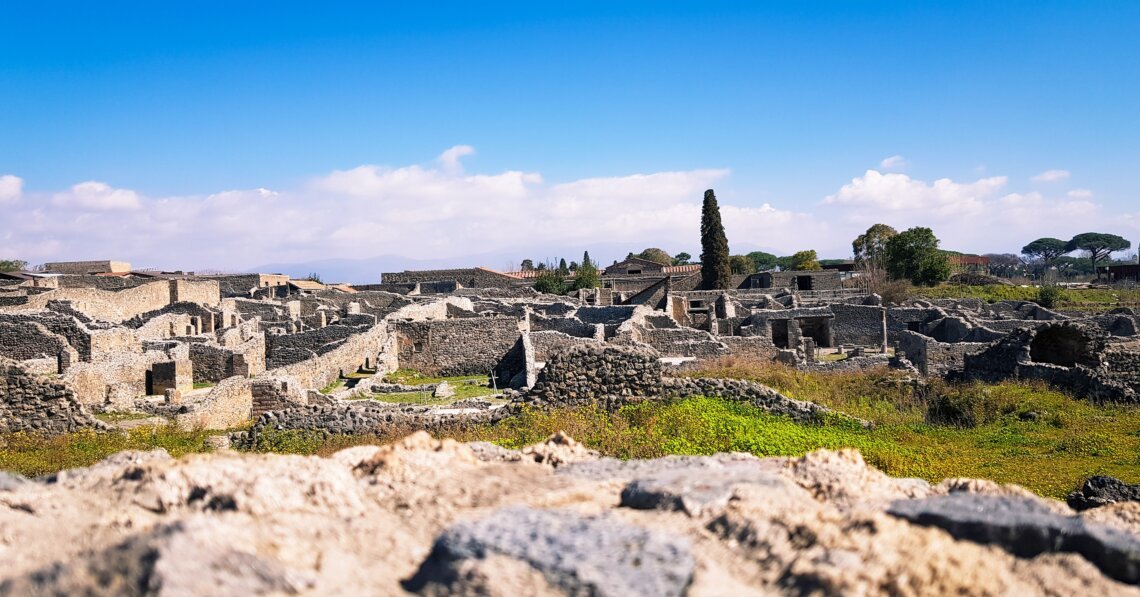
When a group of explorers rediscovered the site in 1748, they were shocked to find Pompeii largely intact beneath layers of dust and debris. Buildings were preserved, and skeletons were frozen exactly where people had fallen. This incredible state of preservation attracts around 2.5 million visitors each year, making Pompeii one of the most popular tourist attractions in Italy.
If you plan to explore Pompeii on your own, make sure to do some research beforehand. Without context, it can be confusing to navigate the streets and understand how people once lived and perished here.
Tickets
We were lucky during our second visit, as it coincided with Cultural Heritage Week and entrance was free. Otherwise, the standard ticket price is €15 per person.
Check the official Pompeii website for opening hours, free admission days, and reduced prices:
pompeiisites.org
Free maps are available at the Info Point, or you can download one here:
Download map
Only small bags are allowed inside the site (maximum size: 30 × 30 × 15 cm).
Guided tours are available at the Information Desk at Porta Marina or Piazza Esedra. You can also download the free “Discover Pompeii” audio tour app, which includes over six hours of audio content and an offline map. Another option is the “Pompeii Touch” app (around €2), which allows you to compare the ancient city with its pre-eruption appearance.

Getting around
A map of the excavations, water, and good walking shoes are essential. Don’t worry about food and drinks – there is a café and restaurant within the excavation area, just north of the Forum. You’ll find soft drinks, coffee, pizza, and Italian sandwiches there. Keep your empty bottles, as there are water fountains scattered around the site.
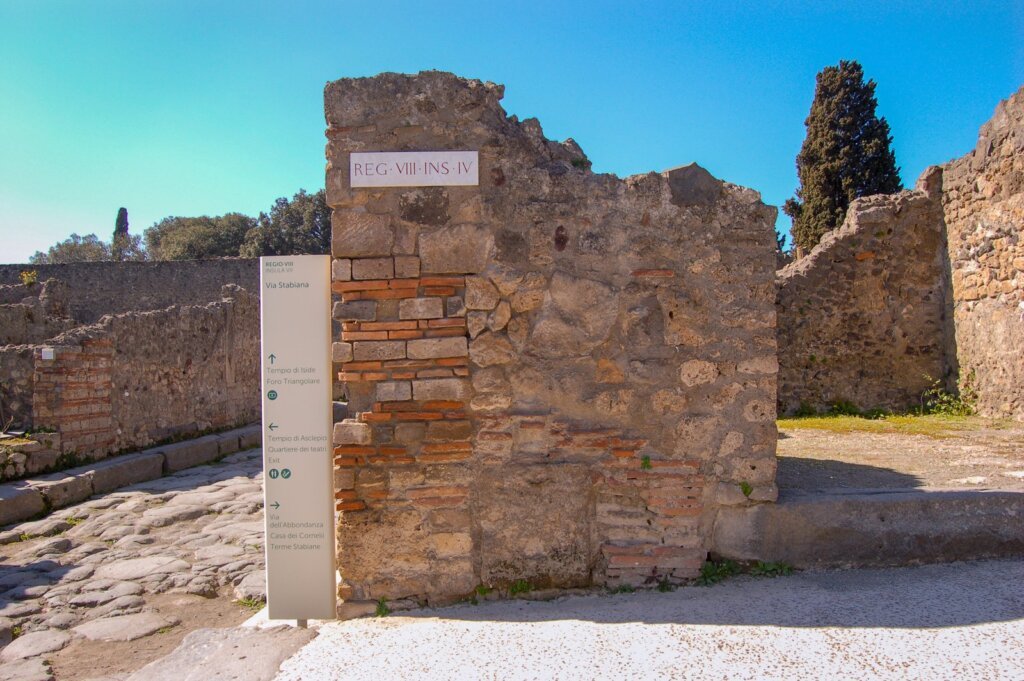
Pompeii is divided into nine districts called Regiones, each further divided into blocks known as insulae. Plaques on the corners of buildings indicate the Regio and insula you are standing in.
Suggested itineraries are printed on the back of the map and range from two to seven hours of walking, depending on how much time you have.
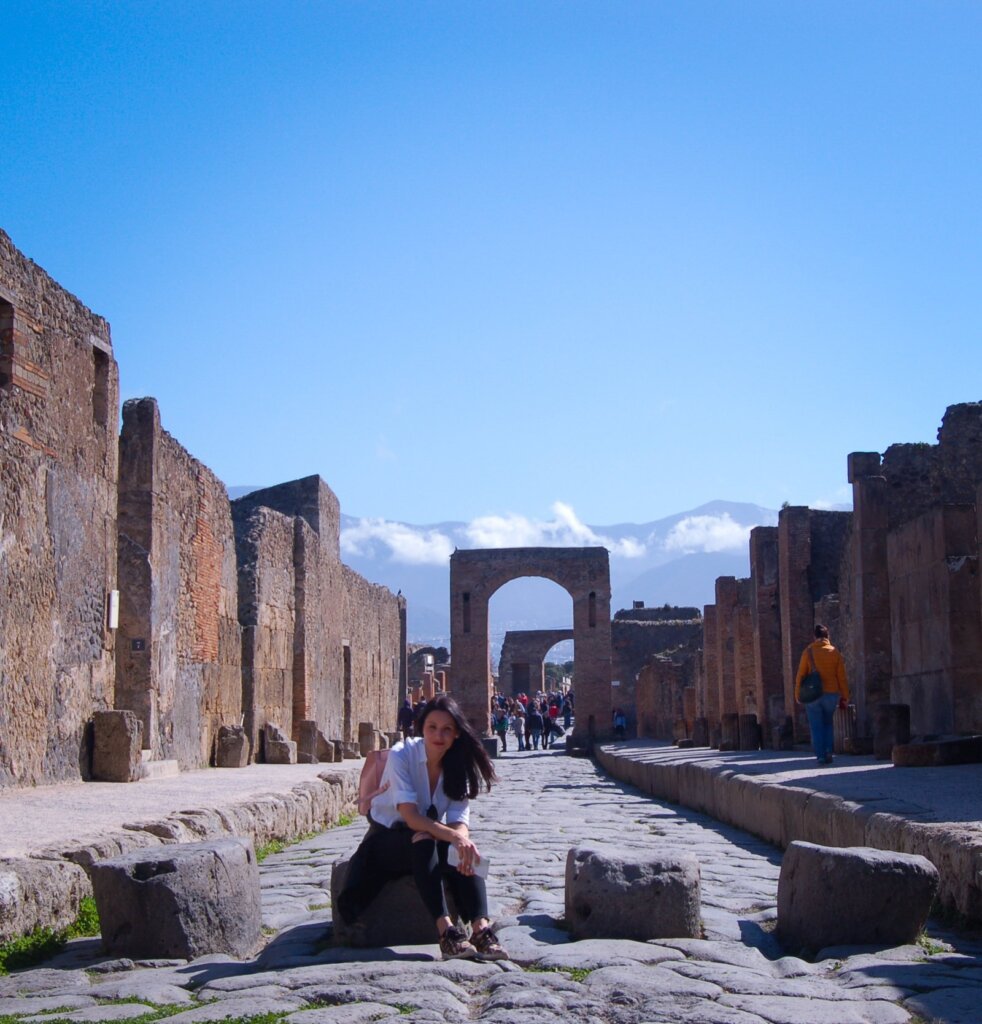
The streets are one of the first things that will amaze you. Stone blocks were used as pedestrian crossings, allowing people to step over water and waste flowing through the streets. Sidewalks are surprisingly high compared to modern standards, so comfortable shoes are a must.
Look out for small reflective tiles known as “cat’s eyes”. Candlelight reflected off them, helping people find their way at night.
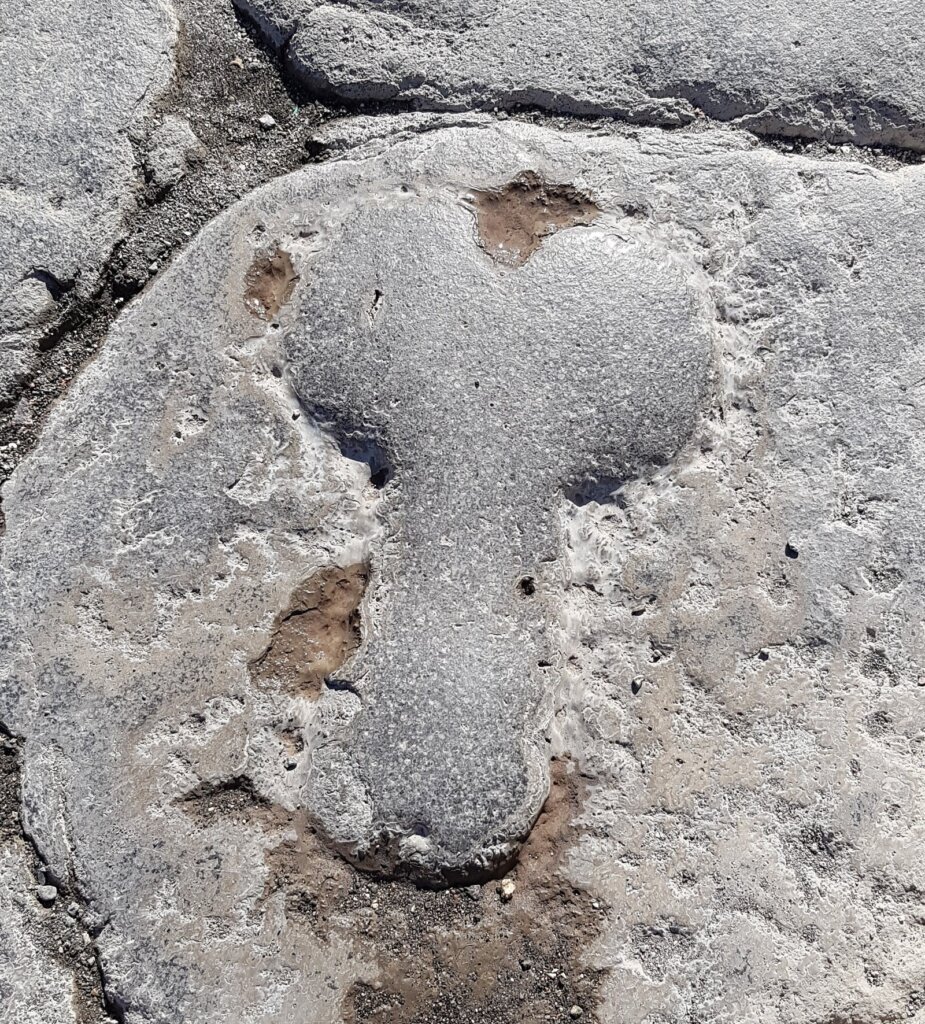
You’ll also notice stone phalluses carved into streets, which served as directional signs pointing toward brothels. Some historians argue they were merely good luck symbols meant to ward off the evil eye, but the first explanation is far more entertaining.