


Kyoto will steal your heart
If you want to experience the essence of Japan, go to Kyoto. This city truly has it all. I fell in love with it the moment I started reading about it. Temples, shrines, gardens, neon lights, crowds, shopping, fine dining, street food, inspirational walks, kabuki performances, geishas – everything you associate with Japan, you’ll find here. Rich in tradition and history, Kyoto is an absolute must when visiting Japan.
We stayed in Kyoto for five days, and it still wasn’t enough. Seeing all 1,600 Buddhist temples and more than 400 shrines is simply impossible. Each one is unique, colorful, and full of history. For me, Kyoto was the highlight of our Japan trip.
We stayed at APA Villa Hotel Kyoto-Ekimae (apahotel.com), near Kyoto Station. APA is a hotel chain found all over Japan and offers excellent service. The rooms are well equipped with everything you might need – iron, kimonos, toiletries, hairdryer – but they are very small. There is no closet, just hangers, and luggage has to be creatively positioned. This is fairly typical for Japanese hotels unless you stay in a 4- or 5-star property.
This hotel will always stay in my memory because it was where we experienced our first earthquake in Japan. Our room was on the 10th floor, and after a long day of sightseeing we were relaxing when the building started to shake. Mr. G was already calculating escape routes. Thankfully, it was short and mild. Earthquake survival whistle and flashlight? Somewhere buried in the luggage, of course.
Everything else about the hotel deserves top marks: great location, just a five-minute walk north of Kyoto Station, making it easy to reach nearby attractions. Kyoto is massive, so planning ahead is essential. Pick one area per day, take public transport to the farthest point, and walk your way back.

Southern Kyoto
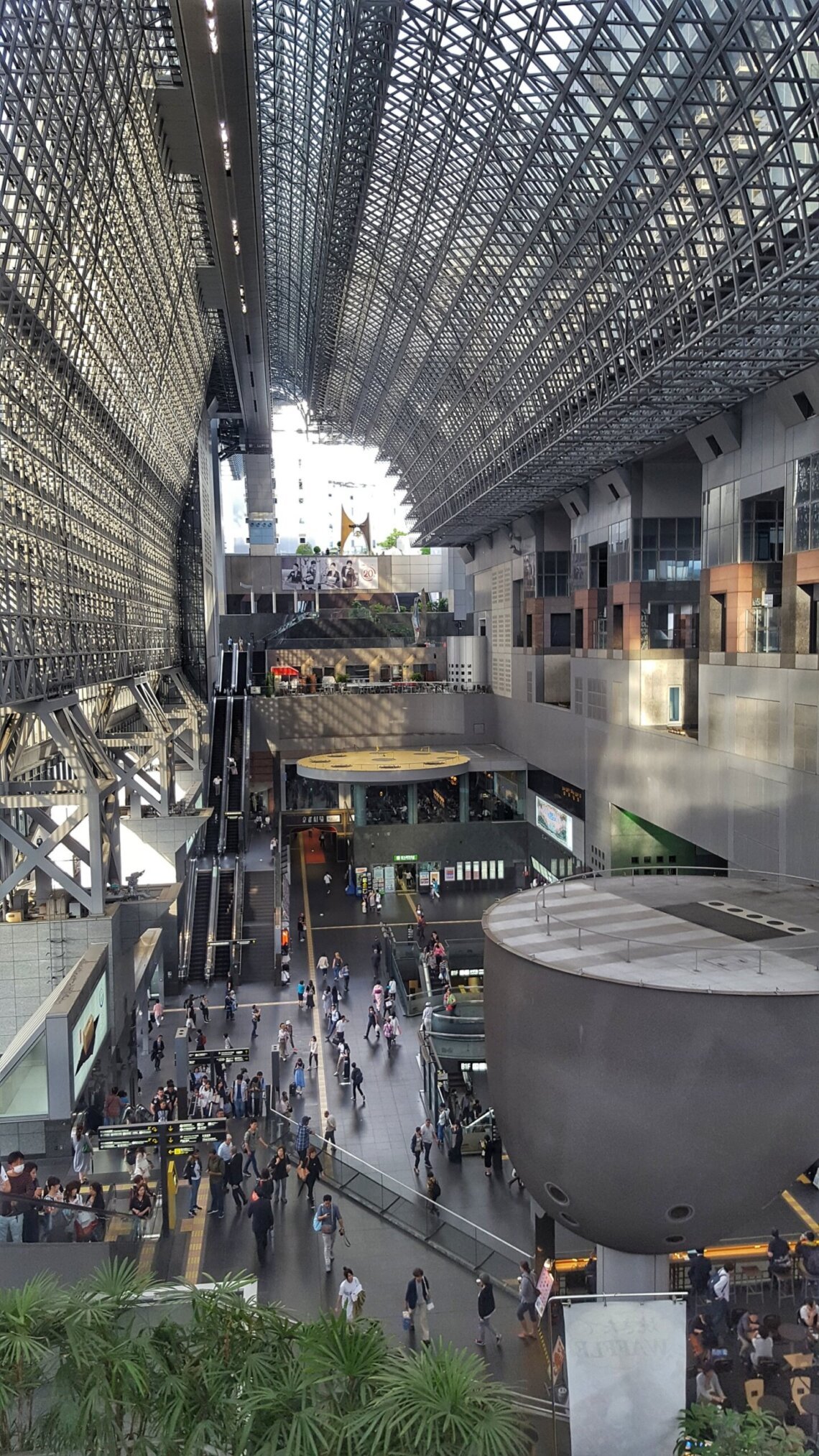
Our first introduction to Kyoto was Kyoto Station – a futuristic structure with vast open spaces and a glass corridor on the 11th floor. Completed in 1997, it stands in complete contrast to traditional Japan. Inside you’ll find shops, food courts, the shopping area called The Cube, and the Kyoto Tourist Information Center. If you’re looking for a classy stay, Hotel Granvia Kyoto is located directly in the station.
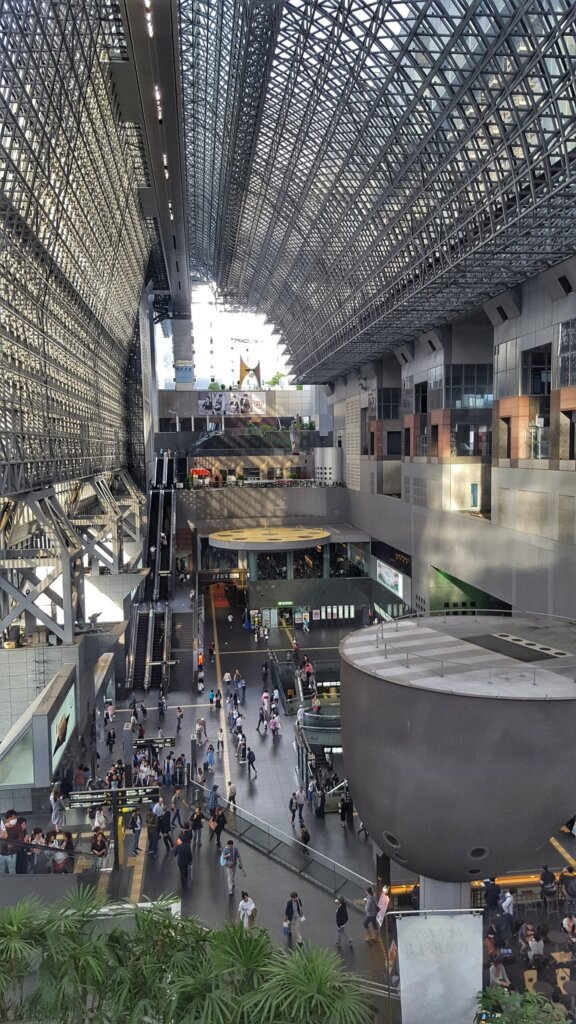
Kyoto Station
From the station we walked south to To-ji Temple, headquarters of the Shingon sect of Japanese Buddhism. Its five-story pagoda is one of Kyoto’s symbols and the tallest pagoda in Japan at 55 meters. The current structure dates from 1644, although the original was built in the 9th century and burned down four times. The interior is usually closed, but we were lucky enough to visit during a special opening.
Five-story pagoda at To-ji Temple
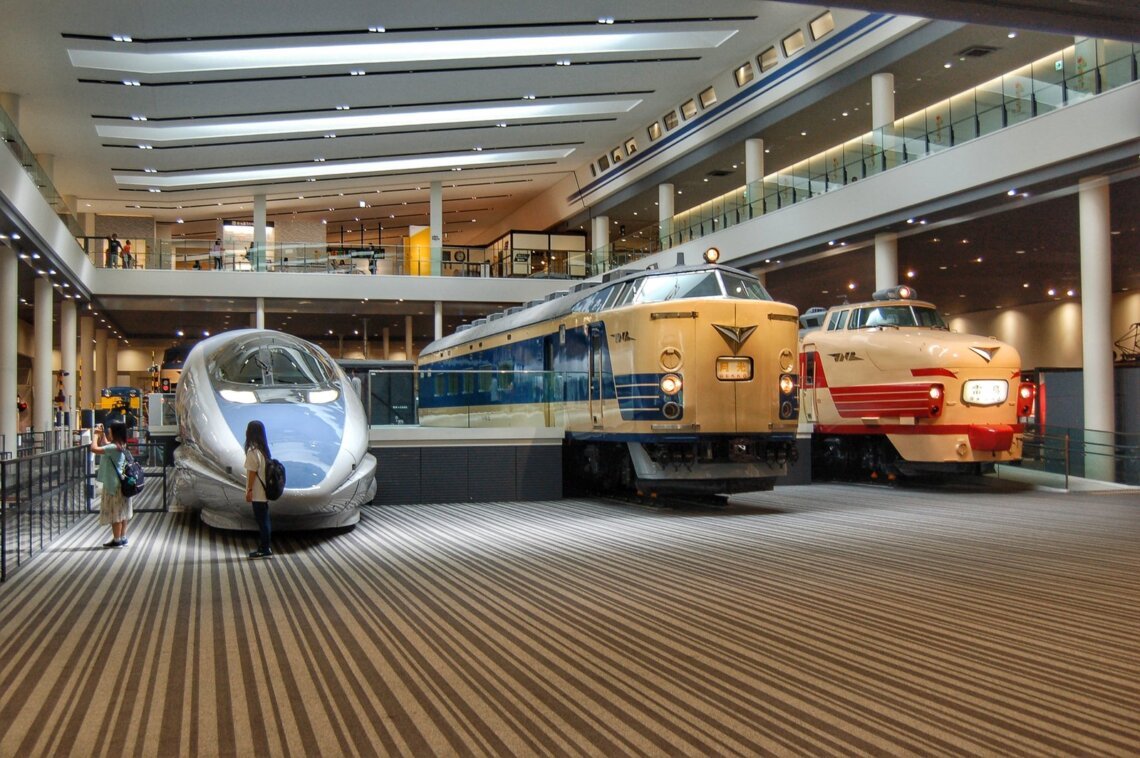
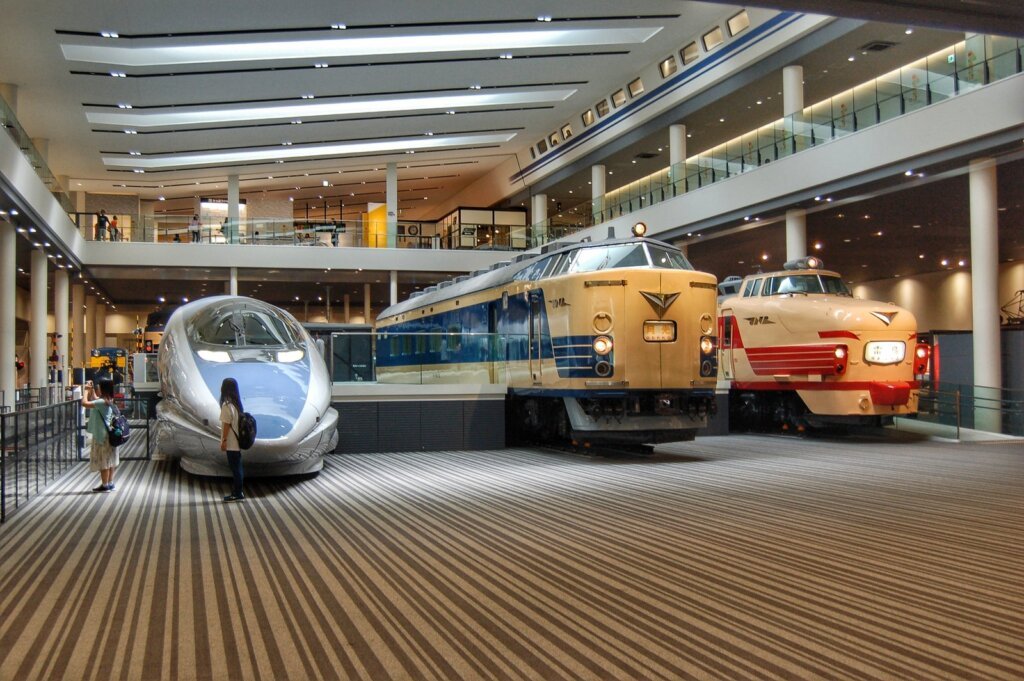
Kyoto Railway Museum was Mr. G’s pick, and watching his excitement was priceless. From vintage steam locomotives to Shinkansen exhibits and train simulators, this place is pure joy for train lovers. Entrance is 1,200¥, and it’s open from 10:00 to 17:30 (until 17:00 in winter).
Don’t miss Nishi-Hongan-ji and Higashi-Hongan-ji temples, both near Kyoto Station. Admission is free.
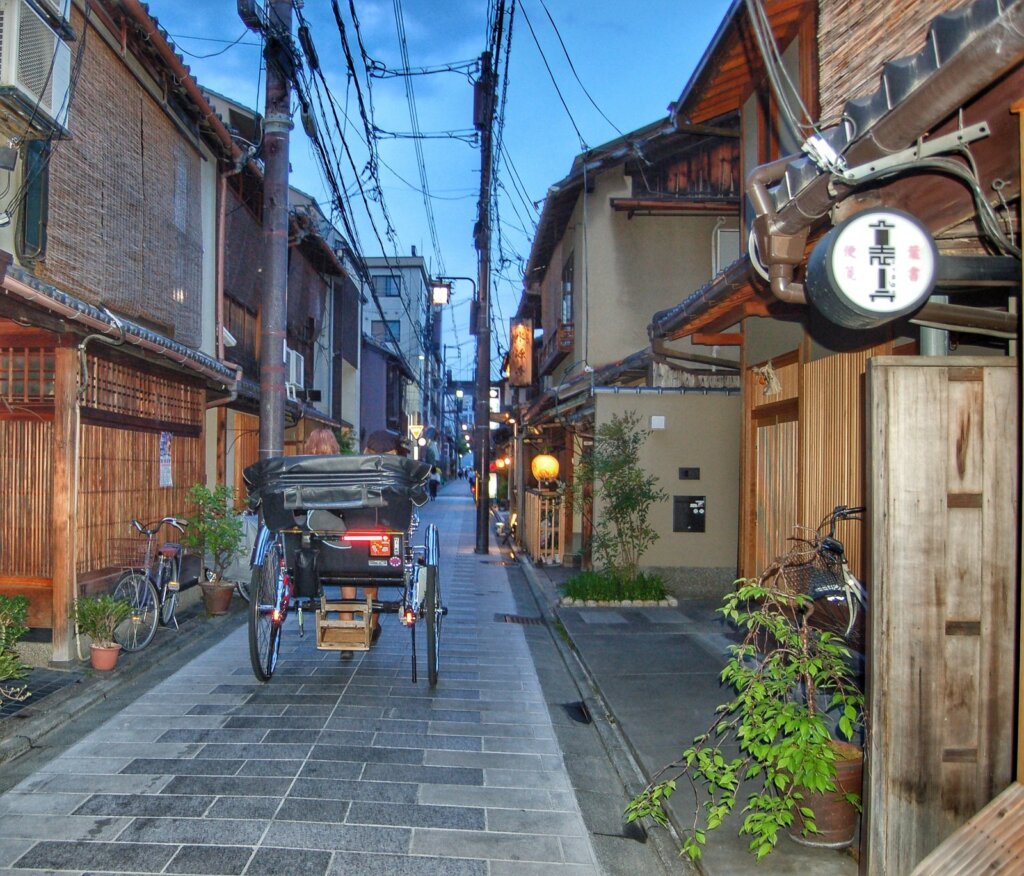
If you want to try Japan’s most famous delicacy, go for Kobe beef. Yes, it’s expensive, but it melts in your mouth. We tried it at Nikuya Ginjiro on our way to the Gion district. Gion is Kyoto’s traditional entertainment area and feels almost unchanged from 300 years ago. This is where you’re most likely to spot a geisha, especially at dusk.
Also in southern Kyoto is Fushimi Inari Shrine, one of the most photographed places in the city. Dedicated to Inari, the goddess of rice and business, it features over 10,000 torii gates donated by local businesses. Go early to avoid crowds. Admission is free, and hiking to the top of Mount Inari takes about three hours.

Fushimi Inari
Central Kyoto
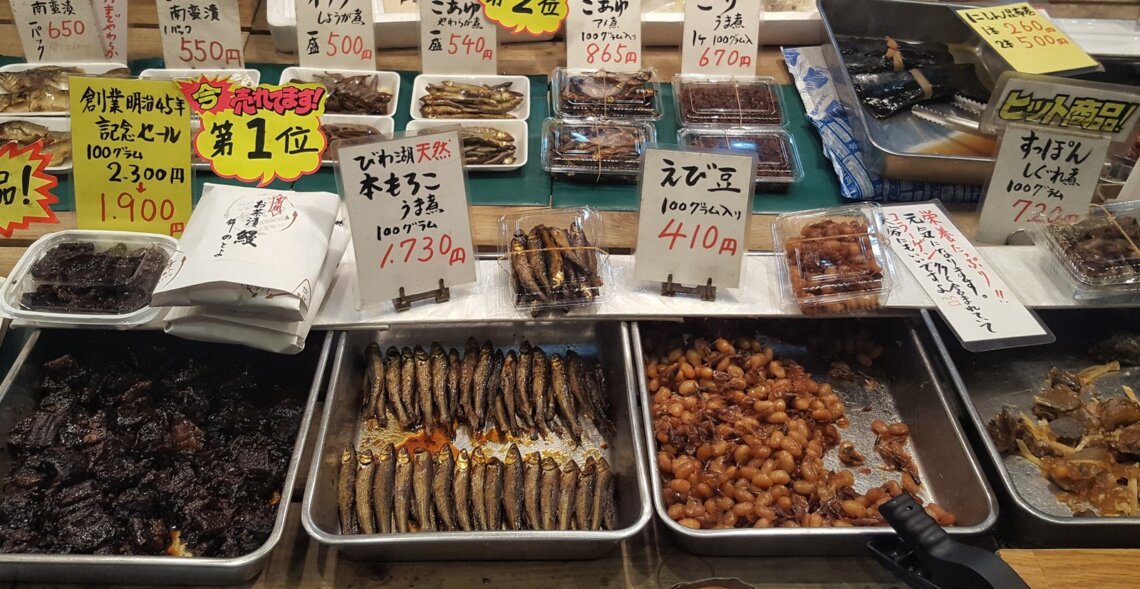
Nishiki Market, also known as “Kyoto’s Kitchen,” is the perfect place to explore local food specialties. From pickles to soy-based dishes, it’s a great stop, especially on a rainy day since it’s covered.
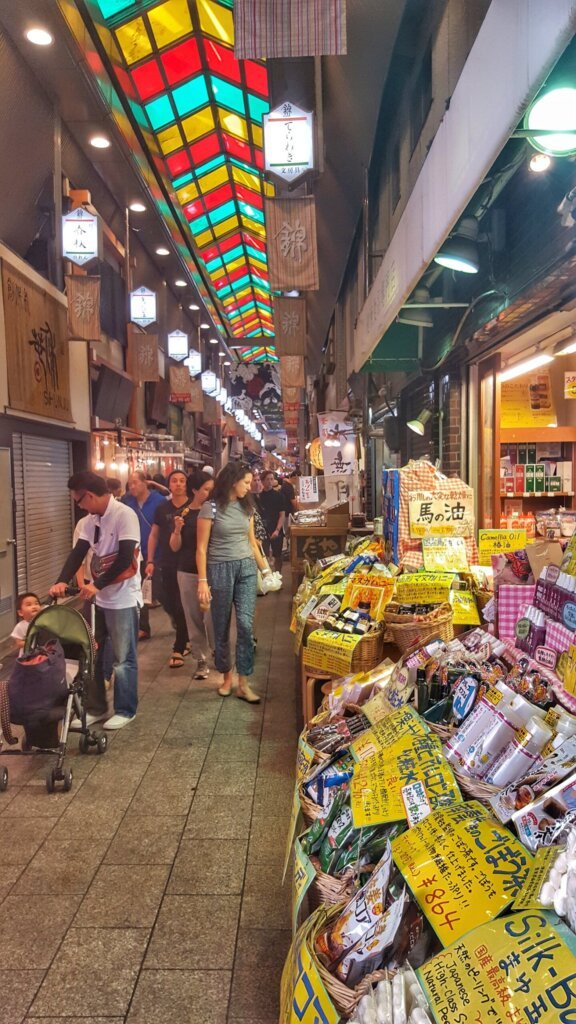
The intersection of Kawaramachi Street and Shijo is the heart of Kyoto’s shopping district. Nearby we found a great hostel, LEN Kyoto Kawaramachi, offering affordable rooms, a bar, café, and relaxed atmosphere.
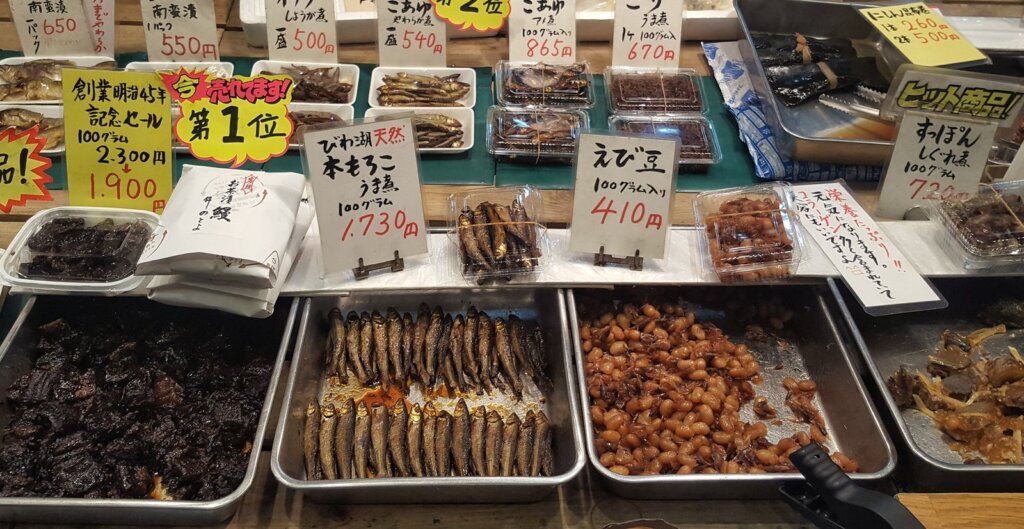
Nishiki Market area
Walk along the Kamo River, a perfect place for strolling, biking, or simply people-watching. As you approach Pontocho, the riverside fills with locals enjoying the evening.
Western Kyoto
Arashiyama is a full-day trip. Take the JR Sagano Line to Saga-Arashiyama Station. The famous Arashiyama Bamboo Grove is impossible to fully capture on camera – you simply have to experience it.

End your day knowing one thing: Kyoto doesn’t just show you Japan – it explains it. This city gets under your skin, steals your heart, and makes you promise to come back better prepared next time.